 NEWSLETTER

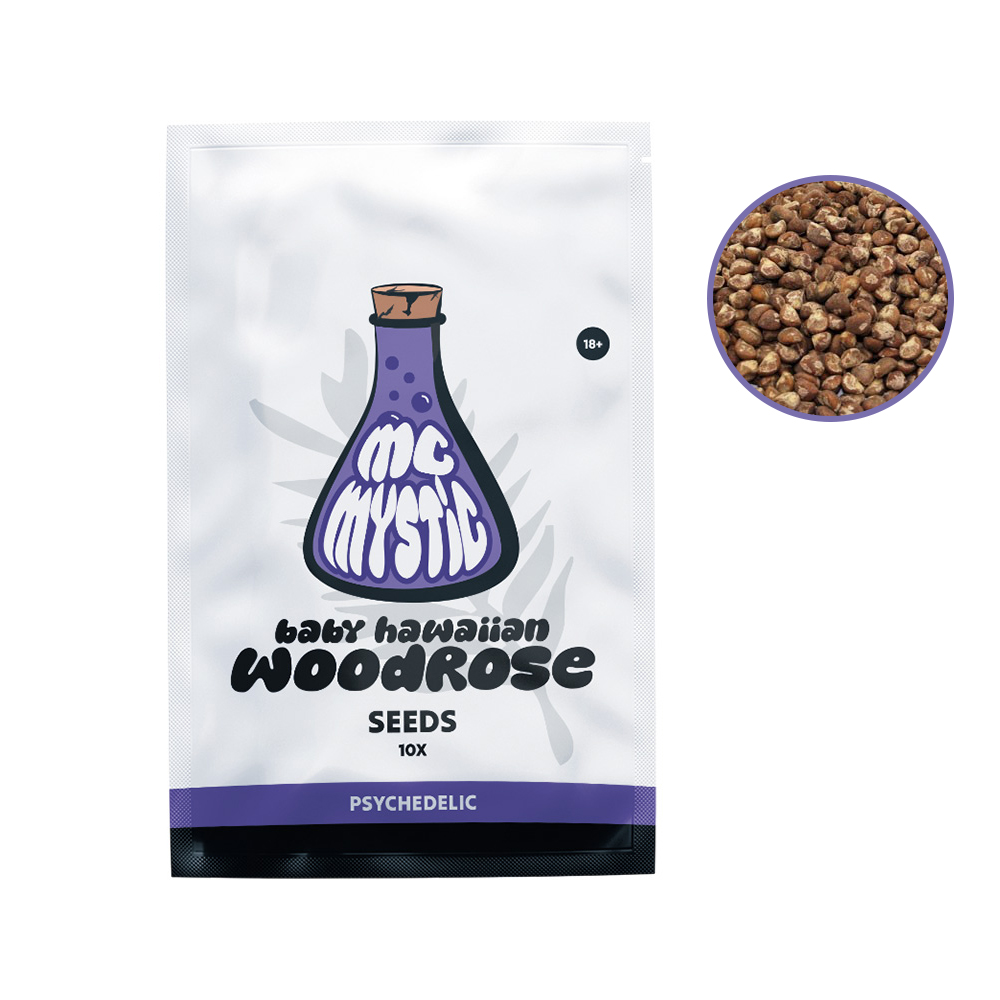
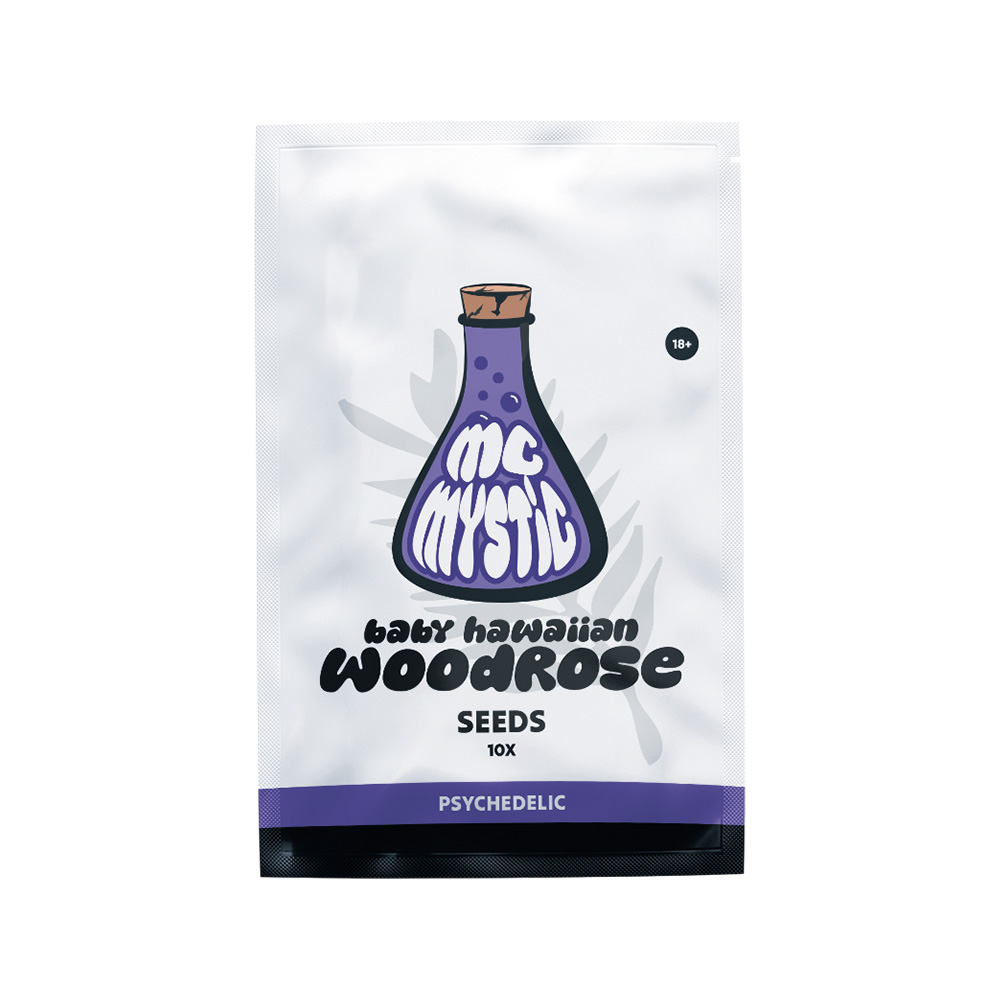
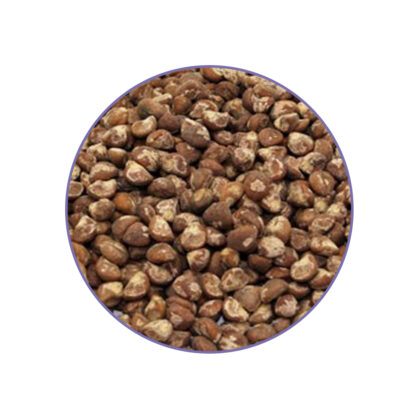
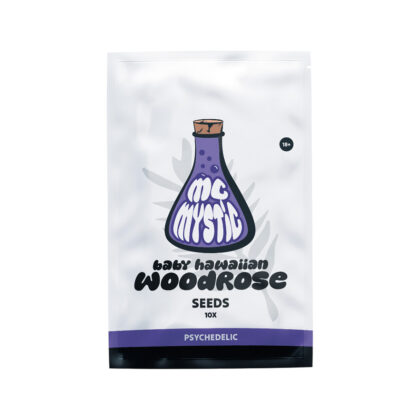
Baby Hawaiian Woodrose Seeds
Oorspronkelijke prijs was: €8,95.€6,27Huidige prijs is: €6,27. incl. btw
Baby Hawaiian Woodrose Seeds offer a remarkable botanical experience derived from the Argyreia Nervosa plant, valued for their unique chemical profile that has drawn interest in ethnobotanical circles for decades. These seeds stand out due to their potent natural compounds and historical significance among certain communities.
What are Baby Hawaiian Woodrose Seeds
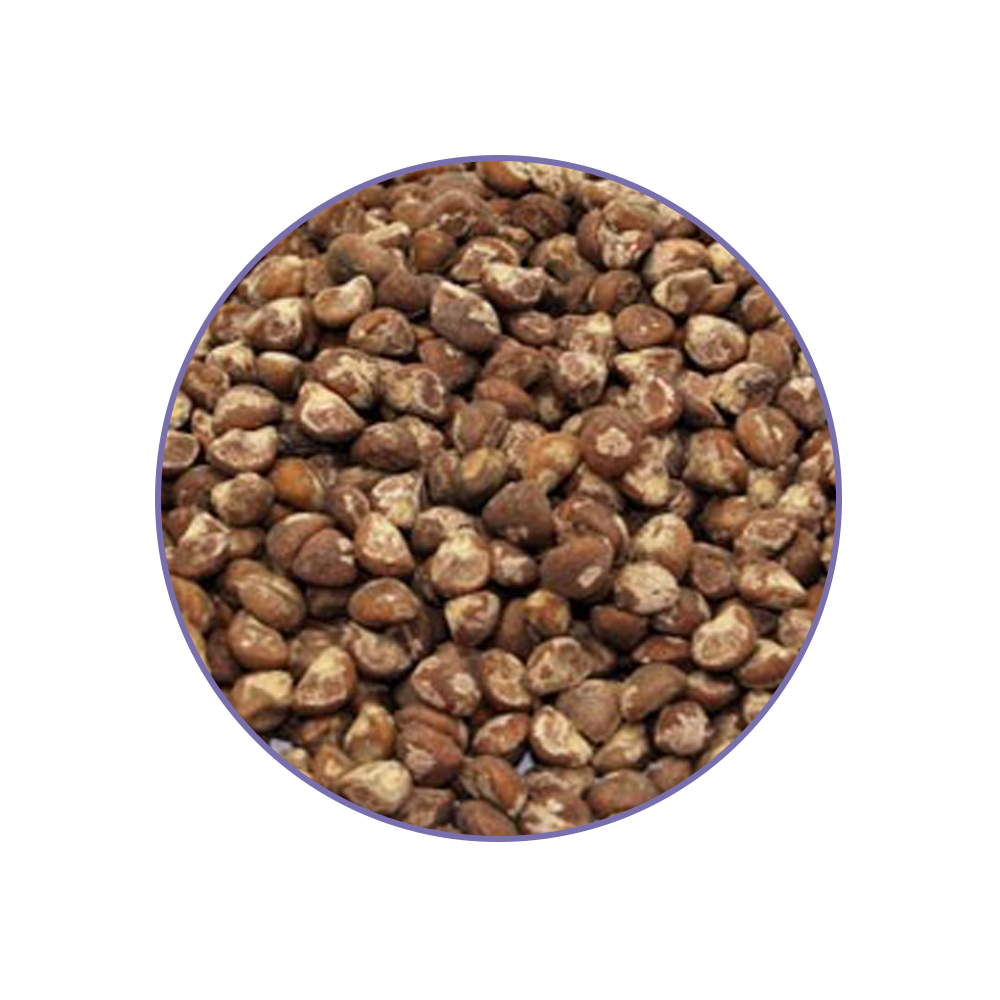
Baby Hawaiian Woodrose Seeds are the seeds of a perennial climbing plant belonging to the Convolvulaceae family, scientifically known as Argyreia Nervosa. This species produces large heart-shaped leaves and distinctive hard-coated seeds that have captured attention for their chemical composition. Unlike many other plants in its family that have been recognized for centuries, the special qualities of this particular variety came to light more recently in modern times. The seeds contain compounds nearly identical to those found in related species such as Rivea corymbosa and Ipomoea purpurea, yet they hold the distinction of possessing the highest concentration of these substances within the entire group. The plant itself is a vigorous vine that can grow extensively when conditions are favorable, featuring woody stems and attractive flowers in shades of pink and purple. Its origins trace back to tropical regions, and it has been cultivated in various parts of the world for ornamental as well as traditional purposes. Understanding what these seeds represent involves recognizing their place in the broader context of natural materials that have influenced cultural practices. The rarity of such discoveries in modern times highlights how certain plants can remain overlooked despite their potential. In contemporary settings, interest in this botanical continues among those exploring ethnobotany and natural history. The seeds themselves require careful recognition of their outer protection and inner content. Overall, this product embodies a fascinating intersection of botany, chemistry, and human curiosity regarding the natural world and its hidden properties that continue to intrigue researchers and enthusiasts alike across different continents and communities.
History of Baby Hawaiian Woodrose Seeds
The history of Baby Hawaiian Woodrose Seeds reveals an intriguing timeline of recognition and traditional application. While their relatives in the Convolvulaceae family, including Ololiuhqui from Rivea corymbosa and Morning Glory from Ipomoea purpurea, had been employed for centuries in shamanistic rituals across Latin America, this species itself was not identified for similar purposes until much later. It was only during the 1960s that their qualities began to attract wider notice, even though the chemical makeup closely mirrored that of the better-known counterparts. In fact, they contain even higher levels of the relevant constituents than any other member of the family. Among certain communities in Hawaii, the seeds have long been utilized as a means to induce altered states, forming part of informal traditional practices passed among local populations. This delayed discovery underscores how ethnobotanical knowledge can sometimes lag behind scientific analysis and experiential reports. Prior to the mid-twentieth century, the plant was primarily appreciated for its ornamental value as a garden vine capable of covering large areas with lush foliage and blooms. The emergence of interest in the 1960s coincided with broader cultural explorations of consciousness-altering substances derived from natural sources. Researchers and enthusiasts started comparing it systematically to the ancient Mesoamerican materials. Over subsequent decades, documentation of its applications among Hawaiian populations added layers to the understanding of indigenous plant knowledge in the Pacific region. Despite the longstanding chemical similarity, the specific identification as a potent source waited for modern analytical methods. Today, the historical narrative serves as a reminder of the ongoing potential for new insights into familiar botanical species, with the story continuing to evolve as more studies examine its role in various cultural contexts around the globe and its place within ethnobotanical records.
How to use Baby Hawaiian Woodrose Seeds
When considering Baby Hawaiian Woodrose Seeds, it is essential to approach any potential application with thorough knowledge, respect, and caution regarding individual readiness. Effects typically become noticeable after about an hour and can last between four and eight hours, followed by an extended period of up to twelve hours during which feelings of calm may predominate. The overall experience is often described as resembling certain well-known compounds but milder and with reduced visual intensity. Reports include euphoria, alterations in visual and auditory perception, emotional shifts, and instances of synesthesia where the senses appear to blend in unusual ways. Perceptions of time and space can become significantly modified during the primary phase. Afterward, sleep tends to be deep and restorative for many, although some individuals experience residual sensations such as blurred vision, dizziness, and a preference for remaining at rest. Possible side effects may include nausea, dilated pupils, tremors, and slight elevations in blood pressure and body temperature. Guidance from those familiar with the material suggests beginning with a very limited quantity on the initial occasion. The setting should remain quiet and familiar so that the process can unfold appropriately without external pressures. This material is not intended for social party environments. Having a trusted and preferably experienced companion present is strongly advised, particularly for anyone not already acquainted with the nature of the active compounds involved. Always prioritize personal safety, preparation of a supportive space, and honest assessment of one’s own condition before any engagement with the material.
Ingredients of Baby Hawaiian Woodrose Seeds
The primary ingredient in Baby Hawaiian Woodrose Seeds consists solely of the seeds harvested from the Argyreia Nervosa plant. These seeds form the concentrated source of the natural compounds responsible for the plant’s distinctive profile. No additional substances are included in the basic offering. The chemical constituents align closely with those present in related morning glory species, yet the concentration levels here are notably superior across the entire Convolvulaceae family. Key among these are ergoline alkaloids that contribute to the observed properties. The seeds themselves possess a hard outer shell protecting the inner material where the active elements reside. Purity is maintained by focusing exclusively on these natural seed components without fillers or synthetic additives. Understanding the ingredients helps in appreciating why this particular variety stands out both historically and chemically. The botanical integrity ensures that what is provided reflects the plant as found in its natural or cultivated state. Variations in potency can occur based on growing conditions, harvest timing, and storage methods, all of which influence the final composition. In traditional contexts, the entire seed is the unit of interest rather than extracts or heavily processed forms. This simplicity of ingredients underscores the direct connection to the living plant and its evolutionary adaptations within tropical environments. Further examination would reveal specific molecular structures shared with other known sources, reinforcing the familial relationships within the plant kingdom and the unique standing of this species among its relatives.
Warning Be careful with LSA. Use these only with a preferably experienced sitter and only if you are already familiar with the effects of LSA, perhaps alone. LSA seeds are definitely not a party drug. Therefore ensure a calm and trusted environment so that the action can fully come into its own.
Do you ship to my country?
We ship to most EU countries. You can find these in the table below. We ship all our EU packages with DHL, DPD or PostNL depending on the area. This way we can deliver the best service possible. You will always receive a track and trace code to track your package from door to door.
| Country | Delivery | Costs | Free shipping |
|---|---|---|---|
| Austria | 2 - 3 | €11,95 | €125,- |
| Belgium | 1 - 2 | €7,95 | €125,- |
| Bulgaria | 6 - 8 | €21,95 | €125,- |
| Croatia | 3 - 5 | €17,95 | €125,- |
| Czech Republic | 2 - 4 | €13,95 | €125,- |
| Estonia | 4 - 6 | €19,95 | €125,- |
| France | 2 - 3 | €10,95 | €125,- |
| Germany | 1 - 3 | €7,95 | €125,- |
| Greece | 6 - 8 | €21,95 | €125,- |
| Ireland | 3 - 4 | €16,95 | €125,- |
| Italy | 2 - 4 | €18,95 | €125,- |
| Latvia | 3 - 5 | €15,95 | €125,- |
| Lithuania | 3 - 5 | €22,95 | €125,- |
| Luxembourg | 1 - 2 | €11,95 | €125,- |
| Netherlands | 1 - 2 | €6,95 | €125,- |
| Poland | 2 - 3 | €14,95 | €125,- |
| Portugal | 3 - 4 | €20,95 | €125,- |
| Romania | 3 - 5 | €17,95 | €125,- |
| Slovakia | 3 - 5 | €17,95 | €125,- |
| Slovenia | 2 - 3 | €17,95 | €125,- |
| Spain | 2 - 3 | €14,95 | €125,- |
* Difficult to reach areas like Islands or other remote regions will cost around €20,- more due to additional carrier fees.
Note: We try to ship all orders within 1 working day, all delivery times are estimated and can vary because of traffic and holidays.
Related products
 EN
EN  NL
NL  DE
DE  IT
IT  FR
FR  PL
PL  ES
ES  PT
PT