 NEWSLETTER

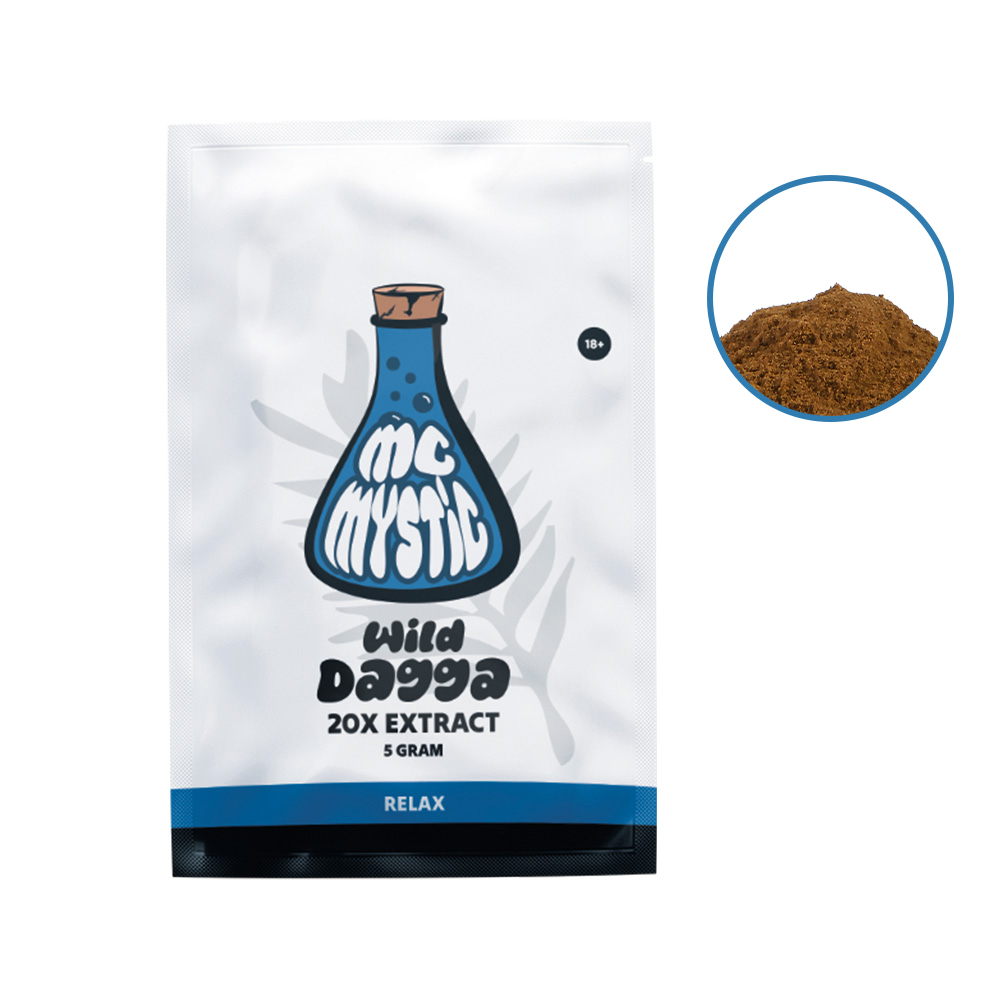
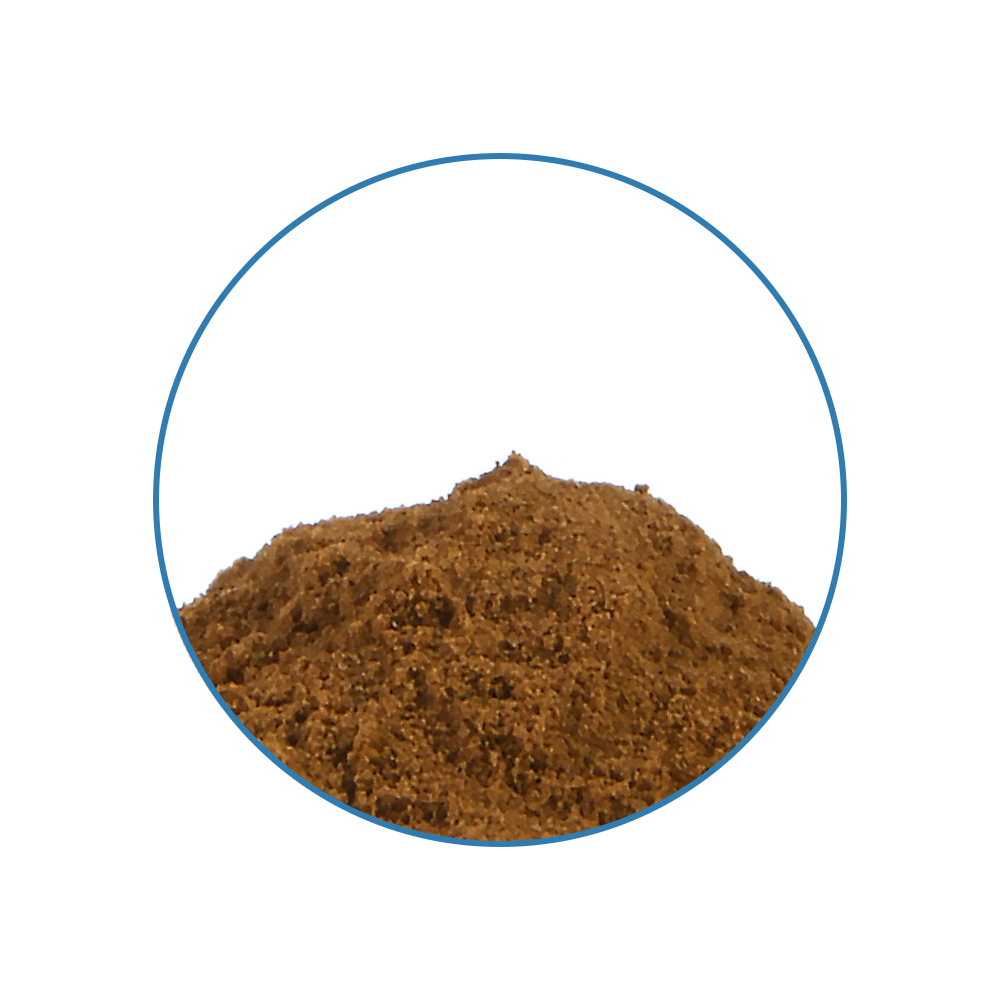
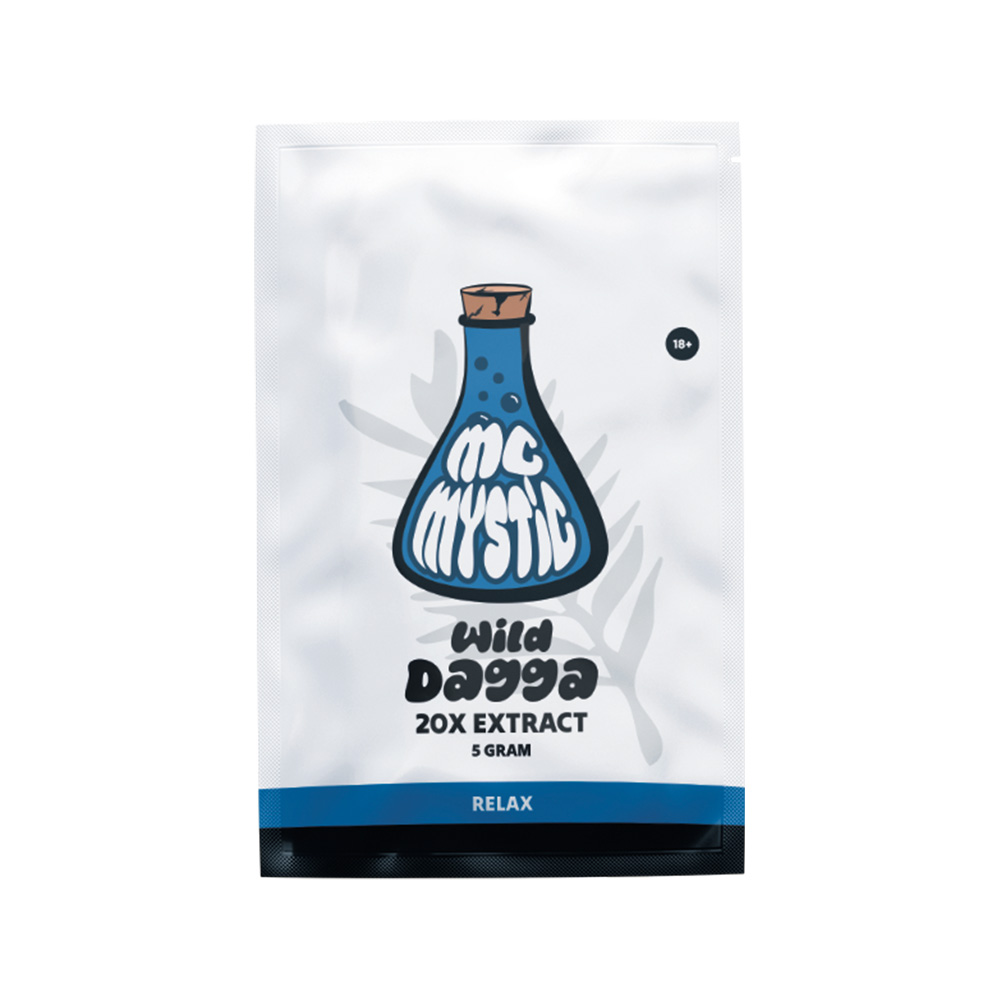
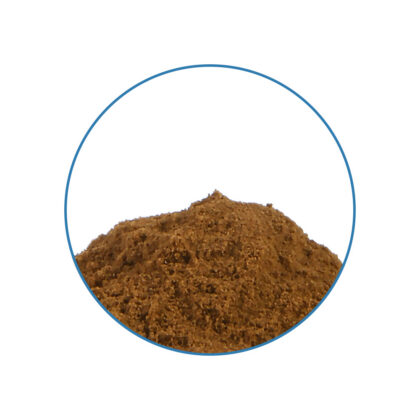
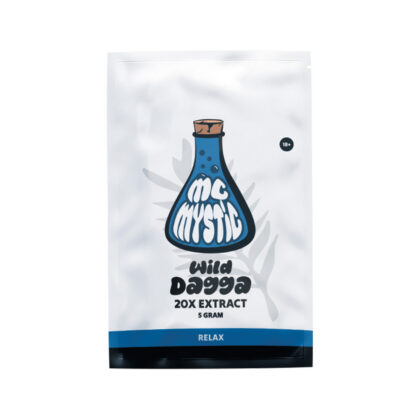
Wild Dagga 20X Extract
€11,95 w tym
Bring a South African herbal classic home with Wild Dagga, the Leonotis leonurus traditionally used for relaxation and a quieter mood. This 5-gram pack is made for a simple tea or herbal mix, with a clear daily maximum of one gram.
What is Wild Dagga?
Wild Dagga is a herbal product from Leonotis leonurus, a flowering shrub native to South Africa. The plant is known for its tall stems, toothed leaves, and bright orange tubular flowers. Traditionally it has been used for its relaxing, settling character. This 5-gram pack is intended for tea or as part of a herbal mixture. The maximum daily amount is one gram.
Depending on the person and the amount, it may feel relaxing, mildly uplifting, and calming for body and mind. Some people notice a brighter mood and a softer physical ease. Effects vary. Possible side effects include dizziness, drowsiness, dry mouth, and reduced concentration. Too much can bring headache or nausea.
This product is for informed adults. It is not a medicine and not a substitute for medical care. Do not combine it with alcohol, drugs, or medicines. Do not drive after use. Start at or below the daily limit, notice how you feel, and treat it as an occasional herbal moment rather than a habit.
History of Wild Dagga
Leonotis leonurus grows across much of South Africa, especially in grassland and along roadsides and stream banks. Local communities used the leaves and flowering tops as a household and ritual plant long before it reached European herb shops. The Afrikaans and English name “dagga” reflects that older place in daily plant knowledge, alongside other regional herbs used for ease and social moments.
The shrub is easy to recognize: square stems, aromatic leaves, and lion’s-tail clusters of orange flowers that attract sunbirds and bees. Colonial and later botanical writers recorded the species and its common uses, including teas and dried leaf. In the twentieth century the plant also traveled as an ornamental garden shrub, which is why many people first meet it as a flower rather than as a herb.
A modern 5-gram pack continues that double life in a small way: the same South African species, prepared for adult use in tea or a simple herbal mix. The story is strongest when it stays honest. This is a traditional plant with a relaxing reputation, not a newly invented trend, and it still asks for a modest daily amount.
How to use Wild Dagga?
A cup of tea is the simplest way to meet this herb. Use no more than one gram in 24 hours.
Składniki
- Up to 1 gram of the herb
- 1 cup of hot water
- Optional: a little honey or lemon
Instructions
- Choose a calm moment with no alcohol and no need to drive.
- Add up to 1 gram of the herb to a cup or tea strainer.
- Pour hot water over it and let it steep for about 10 minutes.
- Strain if needed, then sit down and drink slowly.
- Wait and notice how you feel before considering any further amount the same day. Do not exceed 1 gram per day.
It can also be used as part of a herbal mixture. Keep the total amount within the same daily maximum. Possible side effects include dizziness, drowsiness, dry mouth, and poorer concentration. Headache or nausea can appear if too much is used. Store the pack in a cool, dark place.
Ingredients of Wild Dagga
The only ingredient is Leonotis leonurus, the South African shrub behind this traditional herb. The 5-gram pack contains that plant material and nothing else: no extra flavors and no filler plants.
The source plant is a perennial shrub with aromatic leaves and distinctive orange flower clusters. After harvest, the leaf and flowering herb are dried for tea or blending. Like other botanicals, aroma and strength can vary slightly with harvest, which is another reason to stay within one gram per day.
The ingredient list is short on purpose: one species, five grams, and a clear daily ceiling. This is a relaxing herbal product, not a cure. Read the dose, respect the warnings, and decide whether it fits your health and your plans for the rest of the day.
Ostrzeżenie
Sale and use under the age of 18 are not permitted. Keep out of reach of children. Do not use if you have high or low blood pressure, heart or lung conditions, diabetes, or if you are pregnant. Do not combine with medicines, drugs, or alcohol. Do not drive after use. Possible effects include relaxation, a mildly uplifted mood, and a calmer body and mind. Possible side effects include dizziness, drowsiness, dry mouth, reduced concentration, headache, or nausea. Do not exceed 1 gram per day. This product is not intended to diagnose, treat, cure, or prevent any disease.
Czy wysyłacie do mojego kraju?
Wysyłamy do większości krajów UE. Można je znaleźć w poniższej tabeli. Wszystkie nasze paczki w UE wysyłamy za pośrednictwem DHL, DPD lub PostNL w zależności od obszaru. W ten sposób możemy zapewnić najlepszą możliwą obsługę. Zawsze otrzymasz kod śledzenia przesyłki, aby śledzić przesyłkę od drzwi do drzwi.
| Kraj | Dostawa | Koszty | Bezpłatna wysyłka |
|---|---|---|---|
| Austria | 2 - 3 | €11,95 | €125,- |
| Belgia | 1 - 2 | €7,95 | €125,- |
| Bułgaria | 6 - 8 | €21,95 | €125,- |
| Chorwacja | 3 - 5 | €17,95 | €125,- |
| Republika Czeska | 2 - 4 | €13,95 | €125,- |
| Estonia | 4 - 6 | €19,95 | €125,- |
| Francja | 2 - 3 | €10,95 | €125,- |
| Niemcy | 1 - 3 | €7,95 | €125,- |
| Grecja | 6 - 8 | €21,95 | €125,- |
| Irlandia | 3 - 4 | €16,95 | €125,- |
| Włochy | 2 - 4 | €18,95 | €125,- |
| Łotwa | 3 - 5 | €15,95 | €125,- |
| Litwa | 3 - 5 | €22,95 | €125,- |
| Luksemburg | 1 - 2 | €11,95 | €125,- |
| Holandia | 1 - 2 | €6,95 | €125,- |
| Polska | 2 - 3 | €14,95 | €125,- |
| Portugalia | 3 - 4 | €20,95 | €125,- |
| Rumunia | 3 - 5 | €17,95 | €125,- |
| Słowacja | 3 - 5 | €17,95 | €125,- |
| Słowenia | 2 - 3 | €17,95 | €125,- |
| Hiszpania | 2 - 3 | €14,95 | €125,- |
* Trudno dostępne obszary, takie jak wyspy lub inne odległe regiony, będą kosztować około 20,- € więcej ze względu na dodatkowe opłaty przewoźnika.
Uwaga: Staramy się wysyłać wszystkie zamówienia w ciągu 1 dnia roboczego, wszystkie czasy dostawy są szacowane i mogą się różnić ze względu na ruch i święta.
Powiązane produkty
 PL
PL  EN
EN  NL
NL  DE
DE  IT
IT  FR
FR  ES
ES  PT
PT