 NEWSLETTER

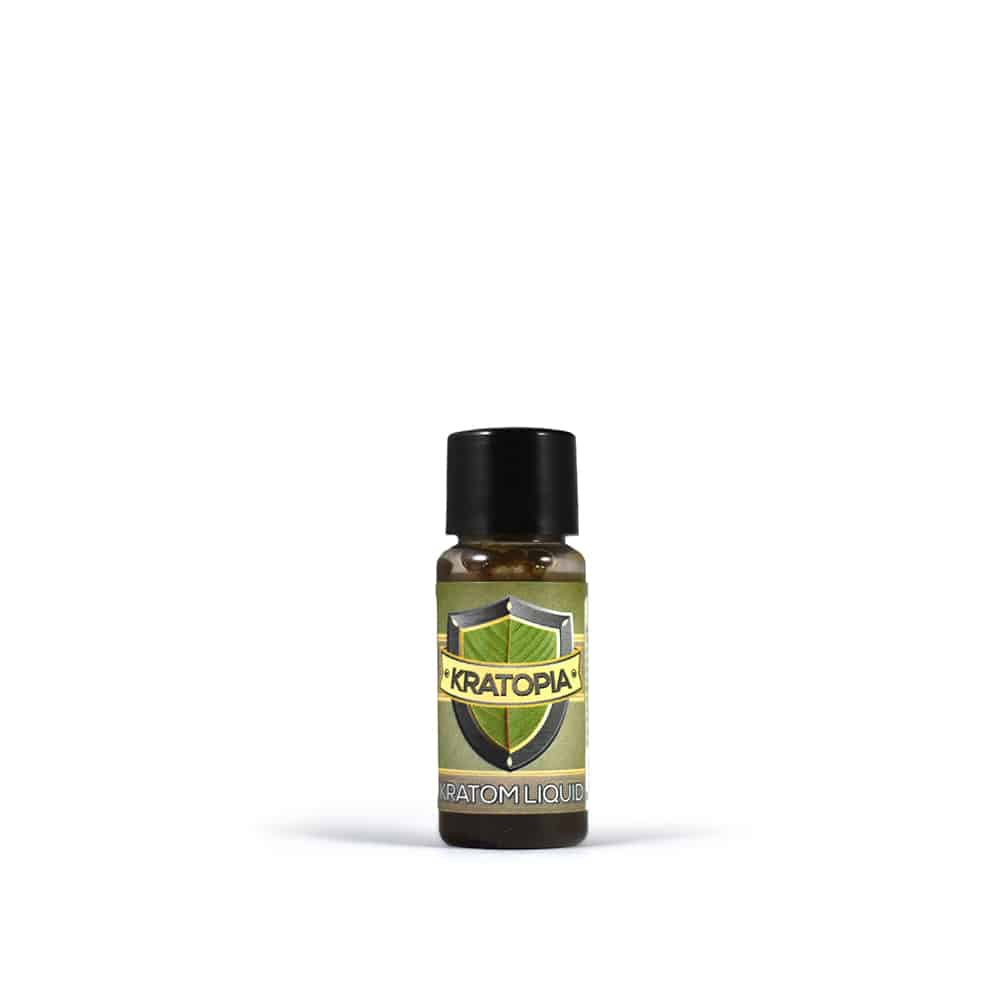
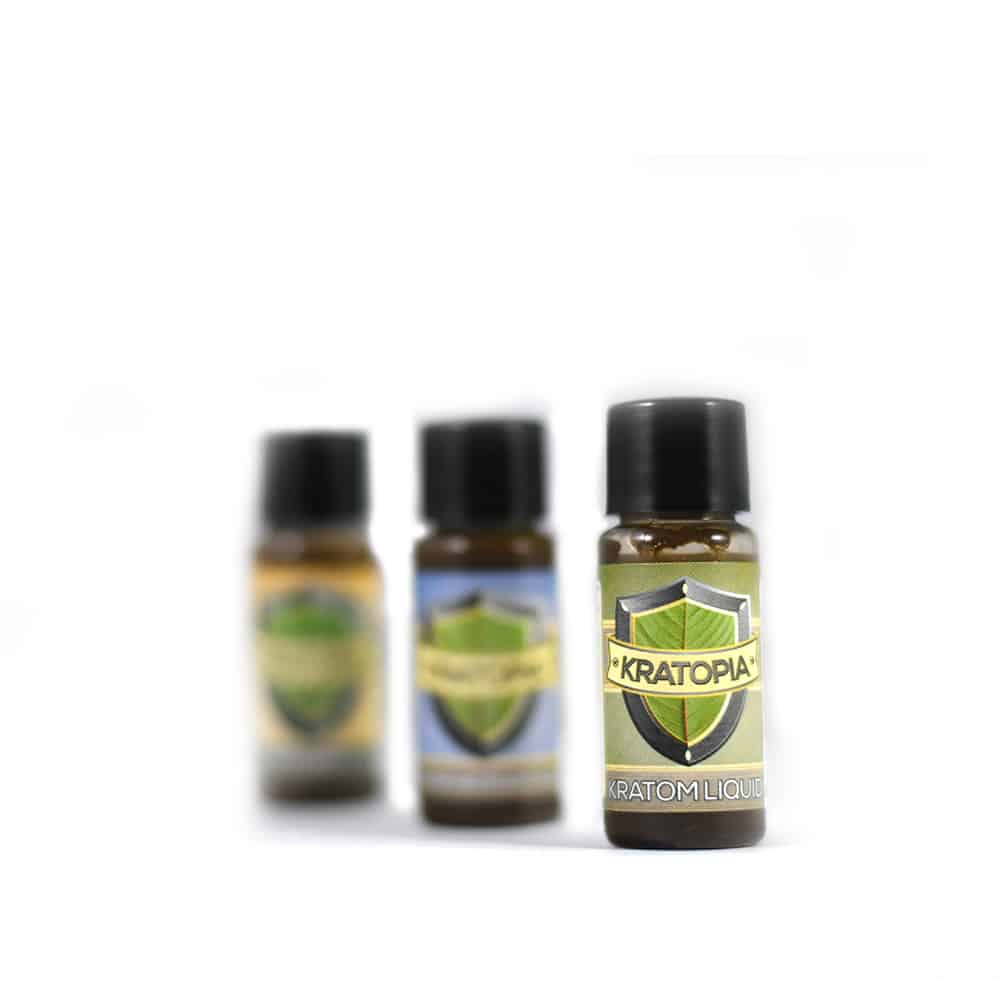
Kratom Liquid is a highly concentrated form of the Mitragyna speciosa plant, native to Southeast Asia, where its leaves have been utilized for their stimulating and sedative properties. This liquid version amplifies the natural alkaloids, primarily mitragynine and 7-hydroxymitragynine, which interact with the body’s receptors to deliver dose-dependent effects—energizing at lower amounts for improved alertness and productivity, and calming at higher levels for stress relief and restful states. Unlike traditional dried leaves or powders that require preparation, Kratom Extract provides rapid absorption, making it ideal for modern users seeking convenience without compromising potency.
Typically packaged in small 10ml bottles, this product appeals to those exploring natural wellness options for managing daily fatigue, mood fluctuations, or mild discomfort. The 15x designation indicates it’s 15 times stronger than standard leaf material, allowing for precise, smaller doses. However, individual responses vary based on factors like body weight, metabolism, and prior exposure, so mindful starting points are essential to avoid overwhelming experiences.
Enthusiasts often praise Kratom Extract for its versatility, serving as a bridge between coffee-like boosts and herbal tranquilizers. It’s positioned as a botanical aid, not a pharmaceutical, rooted in cultural practices but adapted for contemporary lifestyles. Consulting a healthcare provider is recommended before use, especially for those with sensitivities.
In summary, Kratom Extract embodies an efficient way to harness ancient plant benefits, attracting holistic health seekers who value quality and efficacy in their supplements.
History of Kratom Liquid
The origins of kratom trace back to Southeast Asia, where the Mitragyna speciosa tree has been integral to indigenous cultures in Thailand, Indonesia, and Malaysia for centuries. Historical accounts from the 19th century describe laborers chewing fresh leaves or brewing teas to endure grueling work, boost endurance, and soothe aches, positioning it as a staple in traditional medicine. By the 1830s, European botanists documented its use as an opium alternative, aiding in withdrawal management and highlighting its analgesic qualities in early pharmacological studies.
Throughout the 20th century, kratom faced regulatory challenges; Thailand banned it in 1943 due to concerns over addiction potential, yet local consumption continued covertly. Global interest surged in the late 1990s with ethnobotanical research, introducing it to Western audiences as a natural supplement amid the rise of herbal remedies.
The evolution to concentrated forms like Kratom Extract occurred in the early 2000s, driven by demand for potent, portable options. Innovations in extraction techniques allowed for higher alkaloid concentrations, transforming raw plant material into liquids for easier use. This modernization sparked debates on safety, with organizations like the FDA issuing warnings while advocates pushed for research on its benefits.
Today, Kratom Extract reflects a fusion of ancient folklore and scientific advancement, though its legal landscape remains varied across regions. Users are encouraged to appreciate this rich heritage while prioritizing informed, responsible engagement.
How to Use Kratom Liquid
Using Kratom Liquids starts with a good shake of the bottle to evenly distribute the concentrated formula. Recommended servings range from 5 to 10ml, or half to a full 10ml vial per use, tailored to experience level—for novices, begin under 5ml to assess tolerance, as potency depends on personal factors like weight and sensitivity. Sublingual administration involves holding the liquid under the tongue for 30-60 seconds before swallowing, promoting quick onset through mucosal absorption.
For palatability, dilute in room-temperature water, juice, or a non-hot beverage to mask bitterness without degrading alkaloids. Take on an empty stomach for effects in 10-20 minutes, or post-meal for gentler progression. Dosage impacts outcomes: less than 5ml yields mild stimulation for focus, over 5ml offers balanced relaxation, and 5-10ml provides stronger calming effects.
Limit usage to one or two times monthly to prevent habituation, and avoid mixing with other substances for safety. Monitor reactions and adjust gradually, storing the product in a cool, dark area away from reach. This method aligns with traditional applications while suiting busy routines.
If new to extracts, research interactions and seek professional advice. Embracing these guidelines ensures a positive, controlled experience with this herbal option.
Ingredients of Kratom Liquid
Kratom liquid is built on a base of essential oil, with alcohol content maintained below 14.9% to ensure stability and subtle integration without dominating the profile. The star component is the 15x kratom extract, sourced from Mitragyna speciosa leaves and intensified to 15-fold potency over dried equivalents, emphasizing primary alkaloids like mitragynine for energizing effects and 7-hydroxymitragynine for soothing benefits.
Supporting elements include a spectrum of over 40 natural compounds, such as minor alkaloids, flavonoids, and terpenoids, which contribute to the plant’s holistic properties, potentially offering antioxidant and anti-inflammatory support. The formulation avoids artificial additives, preserving a clean, vegan-friendly composition true to its botanical roots. Alcohol serves dual roles in extraction efficiency and preservation, enhancing bioavailability in the liquid medium.
Batch variations may arise from natural harvesting, but rigorous standards aim for consistency in strength and purity. Comprehending these ingredients underscores the extract’s balanced action: stimulating yet relaxing, derived purely from nature.
Always examine labels for precise details, as minor differences can occur in sourcing.
Attenzione: Sale and use not permitted under 18 years. Keep out of reach of children. Do not use if you have high or low blood pressure, heart and/or lung conditions, diabetes, during pregnancy, or when using medications, drugs, or alcohol.
 IT
IT  EN
EN  NL
NL  DE
DE  FR
FR  PL
PL  ES
ES  PT
PT